

Why Do I Look Tired, Anxious, or Angry – Even When I’m Not?
By Dr. David Isaacs MD
In my previous column, I shared why I wanted to create a space for honest, practical conversations about beauty and medicine. And let’s face it – few remarks are as confusing or frustrating as being told, “You look tired,” especially when you feel perfectly fine. You slept well, you’re not stressed, and yet people keep asking if everything is okay. Some hear a different version: “Are you upset?” or “You look worried.” Over time, these remarks can feel discouraging, particularly when they don’t reflect how you actually feel.
What many people don’t realize is that these impressions are often not about mood, energy, or sleep at all. They’re about facial signals – subtle changes in the eyelids, brows, skin, and underlying structure that influence how our expressions are read by others. Our faces are constantly communicating, even when we’re at rest. Small shifts can unintentionally send the wrong message.
A tired appearance is often related to shadowing under the eyes, hollowing, or changes in the lower eyelids that create contrast between light and dark. This can happen even in people who are well rested and healthy. An anxious or worried look may come from tension in the forehead or brows, or from widened eyes that give a sense of alertness rather than calm.
An angry or stern expression is frequently tied to brow position or muscle dominance – the face may appear tense even when the person feels relaxed. One of the most common misconceptions is that these issues, including aging, are primarily skin problems.
While skin quality certainly matters, many of these expressions are driven by deeper factors: anatomy, muscle balance, and how light falls across the face. That’s why more skincare, more makeup, or even the wrong aesthetic treatment can sometimes make things worse instead of better.
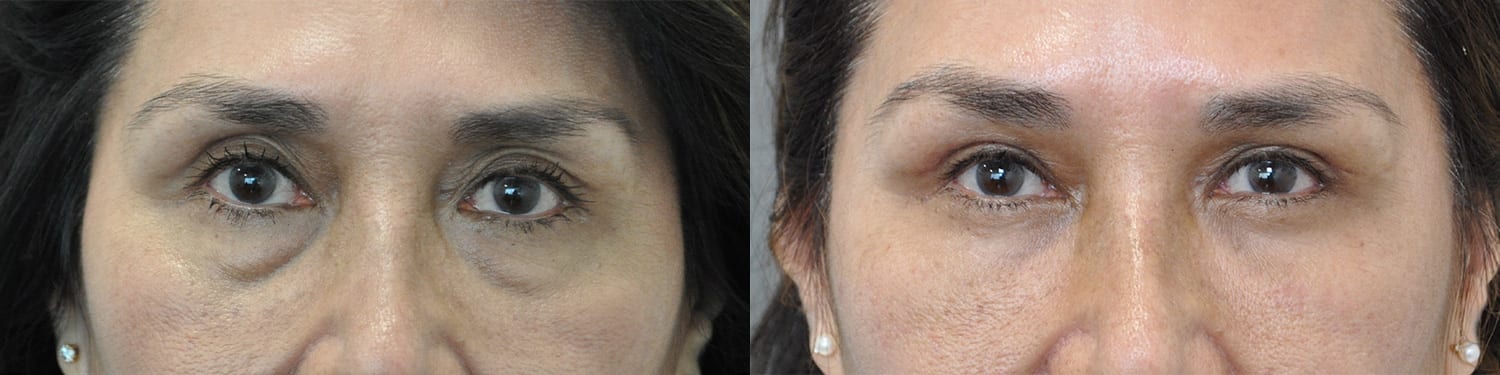
Another misconception is that the goal should be to “erase” expression. In reality, expression is what makes a face human. The aim isn’t to look frozen, overly smooth, or different – it’s to look like yourself on a good day: rested, approachable, and at ease.
In my work, I focus on understanding why a face reads a certain way before discussing how to address it. Sometimes the best answer is reassurance. Sometimes it’s a small, thoughtful change. And sometimes it’s simply learning that what you’re noticing has a clear explanation – and options – rather than feeling stuck or self-conscious.
This is where restraint matters. Modern aesthetic medicine has incredible tools, but using them well requires judgment, proportion, and respect for each person’s natural features. The most successful outcomes are usually the least obvious ones – the kind where people say, “You look great,” without knowing exactly why. It’s also important to acknowledge the emotional side of this conversation.
Being told you look tired, anxious, or angry can affect confidence, even when you know it’s not true. Understanding the source of those impressions can be empowering. Knowledge replaces guesswork, and clarity replaces frustration. In the next issue, we’ll take a closer look at how eyelids and brows shape facial expression – including:
- When lifting the outer brows with Botox may be enough
- When an endoscopic forehead lift is more appropriate and what that procedure actually entails
- How and when removing excess skin from the upper or lower eyelids can help
- What truly improves dark circles (and what doesn’t)
- How to keep results natural rather than “done”
- When simple, thoughtfully chosen procedures can make a meaningful difference
If you’re tired of noise and want real answers, follow me on Instagram @drdavidisaacs where I share clear education, honest explanations, and real-world insight you won’t get elsewhere. I also answer DMs – message me your questions!
Dr. David Isaacs is a dual-fellowship-trained Oculofacial Plastic and Reconstructive Surgeon based in Beverly Hills. A UCLA-trained physician and staff member, he specializes in eyelid and facial plastic surgery and skin rejuvenation using advanced techniques that emphasize natural results and patient safety. In addition to patient care, he remains active in teaching, research, and mentoring future surgeons around the world.