

Refresh tired, aging eyes with precision filler for hollow eyes in Beverly Hills by Dr. David Isaacs, MD, FACS, our dual-fellowship trained oculofacial plastic surgeon. Whether you want to smooth away tear troughs, reduce dark circles, soften hollows from past eyelid surgery, or camouflage under-eye bags, Dr. Isaacs tailors every treatment to your unique anatomy for natural, balanced results.
Refresh and Contour the Eye-Cheek Junction
Filler for hollow eyes in Beverly Hills restores lost volume in the tear trough and lower eyelid region. As we age or due to natural anatomy, the area beneath the eyes can appear hollow, shadowed, or puffy, contributing to a tired or aged look. Fillers correct undereye hollowing by creating a smoother, more youthful transition between the eyes and cheeks.
Dr. Isaacs specializes in the delicate art of periocular filler placement. He treats physiologic tear troughs and post-blepharoplasty hollow orbit syndrome, and camouflages lower eyelid bags in patients who are not yet ready for surgery. Dr. Isaacs delivers expert results with minimal swelling or bruising, preserving the delicate harmony of the lower eyelid and midface.
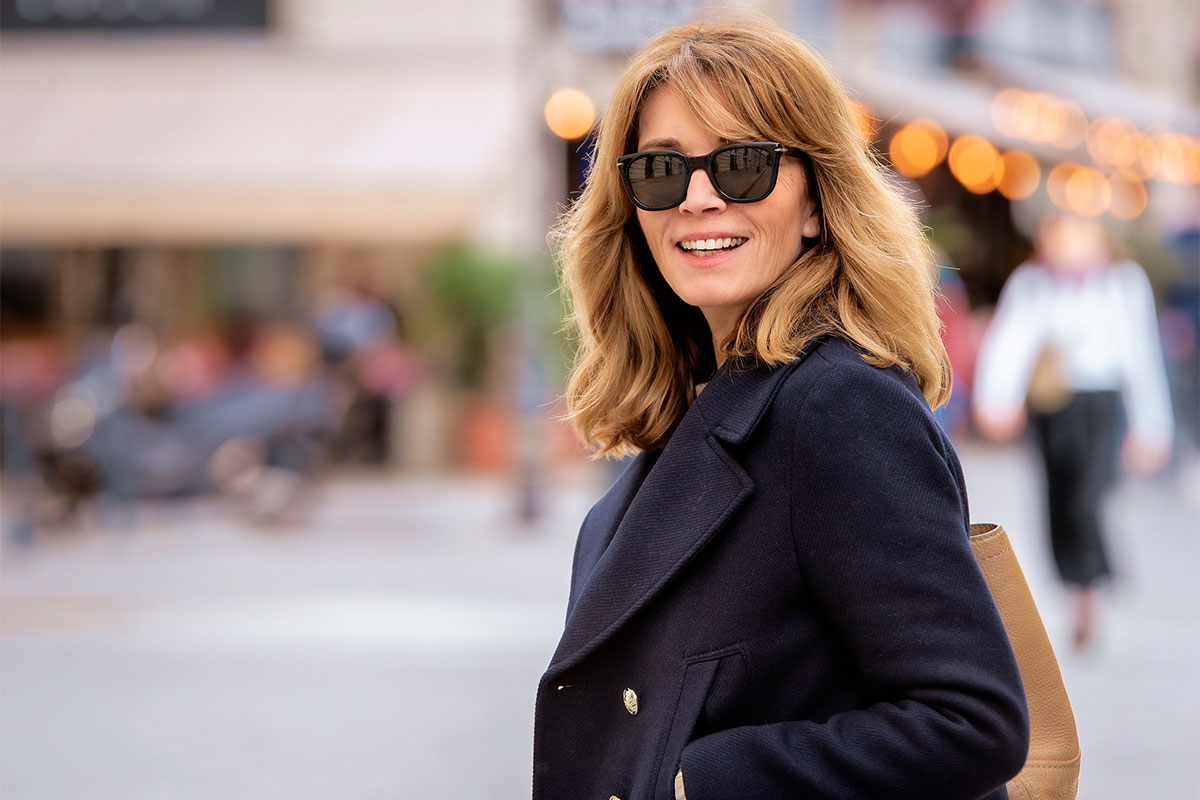
Undereye Fillers Treat:
- Deep tear troughs that create a shadowed appearance
- Hollowing beneath the eyes from aging or genetics
- Volume loss after lower or upper eyelid surgery
- Visible under-eye bags in non-surgical candidates
- A harsh transition between the lower eyelid and cheek
Undereye Filler Treatments Offered by Dr. Isaacs
Physiologic Undereye Hollow Correction
Some patients naturally have deep tear troughs that cast shadows beneath the eyes, creating a chronically tired or sunken look, even in youth. Dr. Isaacs uses fillers to restore volume in these hollow areas, achieving a smoother transition between the lower eyelid and cheek. By lifting and contouring the under-eye region, he helps you look refreshed without changing your contours.
Hollow Orbit Syndrome Treatment
Aggressive lower or upper eyelid surgery can sometimes result in patients with an overly hollow, skeletal appearance. Dr. Isaacs expertly places fillers in the upper sulcus and under-eye area to restore lost volume and soften the contours of the orbital rim. His in-depth understanding of post-surgical anatomy enables him to restore balance and softness to the eye region.
Lower Eyelid Bags Camouflaging
For patients who are not ready for surgical lower blepharoplasty or are not good surgical candidates, Dr. Isaacs offers a non-surgical solution by placing fillers around the under-eye bags. This helps smooth the eyelid-cheek junction, reducing contrast and making puffiness less noticeable. The result is a more even, blended contour without incisions or downtime.
Advantages of Undereye Fillers:
- Performed by a dual-fellowship trained oculofacial surgeon
- Customized approach based on your unique anatomy and goals
- Precise placement to avoid overfilling and maintain natural contours
- Minimal bruising and swelling, and little to no downtime
- Expertise in treating complex cases, including post-surgical hollowing
- Safe treatment of the delicate eyelid and midface region

Dr. Isaacs’ Approach to Undereye Filler Treatments
Dr. Isaacs begins by evaluating your eyelid and midface anatomy to determine the ideal filler placement. Using a microcannula or fine needle, he delivers small amounts of filler to targeted areas, typically along the tear trough or orbital rim.
His technique helps minimize bruising and swelling while preserving the natural contours of your eyes. Dr. Isaacs ensures your results look smooth and balanced.
Onset & Duration of Results
Under eye filler in Beverly Hills results are typically visible immediately, though mild swelling or bruising may occur for a few days. The final results are usually apparent within one to two weeks and last 9 to 18 months, depending on the filler used, your metabolism, and the area being treated. Periodic maintenance treatments can help preserve your refreshed, youthful appearance over time. Dr. Isaacs carefully selects the most suitable fillers to ensure long-lasting results.
Undereye Fillers FAQs
What type of filler does Dr. Isaacs use for under-eye treatment?
Dr. Isaacs uses hyaluronic acid-based fillers for under-eye treatments, as they are the safest and most versatile option for the delicate periocular area. Hyaluronic acid is naturally found in the body, making it biocompatible and well-tolerated. An added benefit is that it can be dissolved with hyaluronidase if a correction or reversal is ever needed.
Can under-eye fillers be dissolved if I'm unhappy with the results?
Yes. Because Dr. Isaacs uses hyaluronic acid fillers, the treatment is fully reversible. If you are unhappy with the results or experience any complications, hyaluronidase can be injected to dissolve the filler quickly and safely. This makes under-eye fillers a low-risk option for patients exploring non-surgical rejuvenation.
Is the procedure painful?
Most patients find the procedure very tolerable. Dr. Isaacs uses a topical numbing cream prior to treatment, and the fillers themselves contain lidocaine to further minimize discomfort during injection. Any sensation is typically brief and mild. The entire treatment is performed in-office and takes only a short time to complete.
How do I know if I'm a good candidate for under-eye fillers versus surgery?
Schedule Your Consultation
Dr. David Isaacs, MD, FACS, is a dual-fellowship trained oculofacial plastic surgeon with specialized expertise in advanced filler techniques. Known for his meticulous approach and natural-looking results, he customizes each filler for hollow eyes Beverly Hills treatment to enhance without overcorrecting. Schedule a consultation today to restore balance and brightness to your under-eye area.
Schedule Your
Visit Today
Facial Fat Transfer FAQs
How is facial fat transfer different from dermal fillers?
Both treatments restore facial volume, but they differ in longevity and composition. Dermal fillers are temporary, typically lasting 6 months to 2 years, and use synthetic materials. Facial fat transfer uses your own tissue, eliminating the risk of allergic reaction, and a portion of the transferred fat can provide permanent volume restoration once it has fully integrated.
Will I have scarring at the fat harvesting site?
The fat is harvested through very small incisions placed in discreet areas such as the abdomen or inner thigh. These incisions are minimal and heal well over time. Most patients find that any marks fade significantly and are not a cosmetic concern.
What happens to the transferred fat over time?
After the procedure, a portion of the transferred fat will be reabsorbed by the body, typically within the first few months. The fat that survives this initial period tends to remain long-term. Dr. Isaacs accounts for this during the procedure, and touch-up sessions can be performed if additional volume is desired after results have stabilized.
What Is the Downtime After Facial Fat Transfer?
Facial Fat Transfer FAQs
How is facial fat transfer different from dermal fillers?
Both treatments restore facial volume, but they differ in longevity and composition. Dermal fillers are temporary, typically lasting 6 months to 2 years, and use synthetic materials. Facial fat transfer uses your own tissue, eliminating the risk of allergic reaction, and a portion of the transferred fat can provide permanent volume restoration once it has fully integrated.
Will I have scarring at the fat harvesting site?
The fat is harvested through very small incisions placed in discreet areas such as the abdomen or inner thigh. These incisions are minimal and heal well over time. Most patients find that any marks fade significantly and are not a cosmetic concern.
What happens to the transferred fat over time?
After the procedure, a portion of the transferred fat will be reabsorbed by the body, typically within the first few months. The fat that survives this initial period tends to remain long-term. Dr. Isaacs accounts for this during the procedure, and touch-up sessions can be performed if additional volume is desired after results have stabilized.
